

For parks in Bengaluru, Bugle Rock Park and Lalbagh Botanical Gardens offer two distinct outings: a compact garden among ancient rock formations, or a much larger botanical garden with a broad plant collection. Choose between them based on how much time you want to spend outdoors.
- Bugle Rock Park: 16 acres in Basavanagudi, with rocky terrain shaded by trees.
- Lalbagh Botanical Gardens: 240 acres, with tropical and subtropical plants and trees several centuries old.
- Lalbagh timing: open from 6:00 AM to 7:00 PM; check the official site before you go.
- Time for Lalbagh: allow at least 3 to 4 hours to explore the garden.
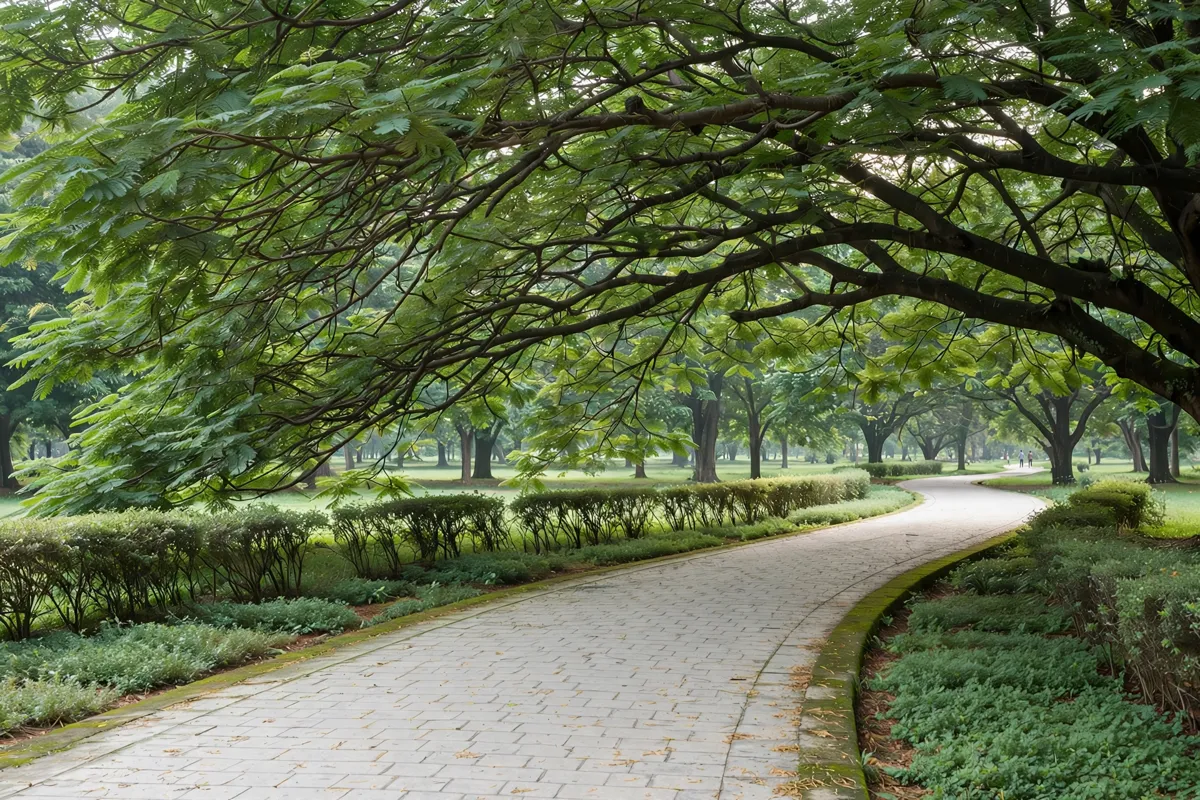
Choosing a Bengaluru Park Visit
Choose Bugle Rock for a shorter park outing and Lalbagh for a longer garden visit. The two places differ in scale and setting, making them easy to compare when you’re planning time outdoors.
Bugle Rock Garden sits behind Dodda Ganesha Temple and next to Bull Temple in Basavanagudi. Its 16 acres include rocky ground shaded by trees. Lalbagh, by contrast, covers 240 acres in the heart of the city and brings together tropical and subtropical plants, along with trees several centuries old.
Those differences are a useful starting point if you’re weighing a brief stop against a longer walk among garden collections.
Bugle Rock Park for a Short Outing
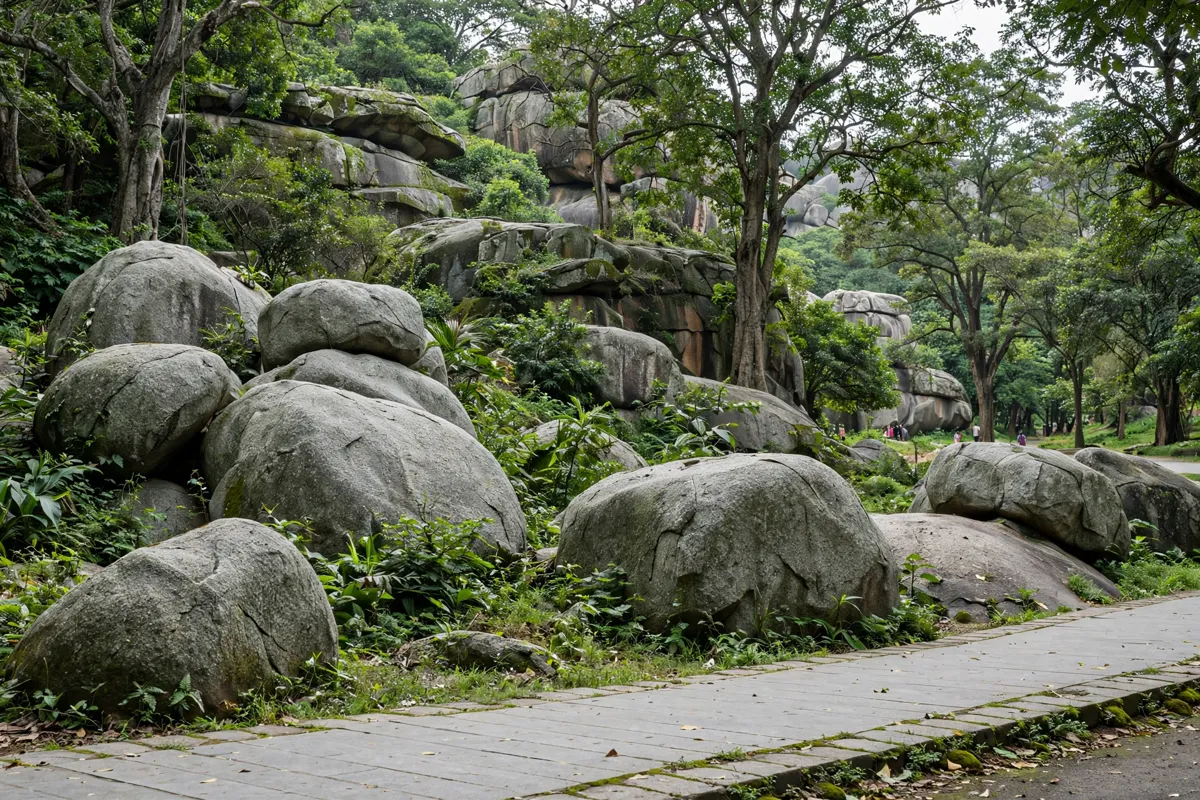
Bugle Rock Park combines shaded rocky terrain with a landmark geological formation and one of Kempegowda’s watchtowers. Its compact scale makes it a natural choice when you want to focus on one green space rather than set aside several hours.
The rock at Bugle Rock is peninsular gneiss, believed to be around 3,000 million years old. One of the four watchtowers constructed by Kempegowda also stands in the garden. Together, the old rock and historic tower give the site more to notice than its tree cover alone.
For more detail on the garden’s setting and features, read this visitor guide to Bugle Rock Park.
Lalbagh for a Longer Garden Visit
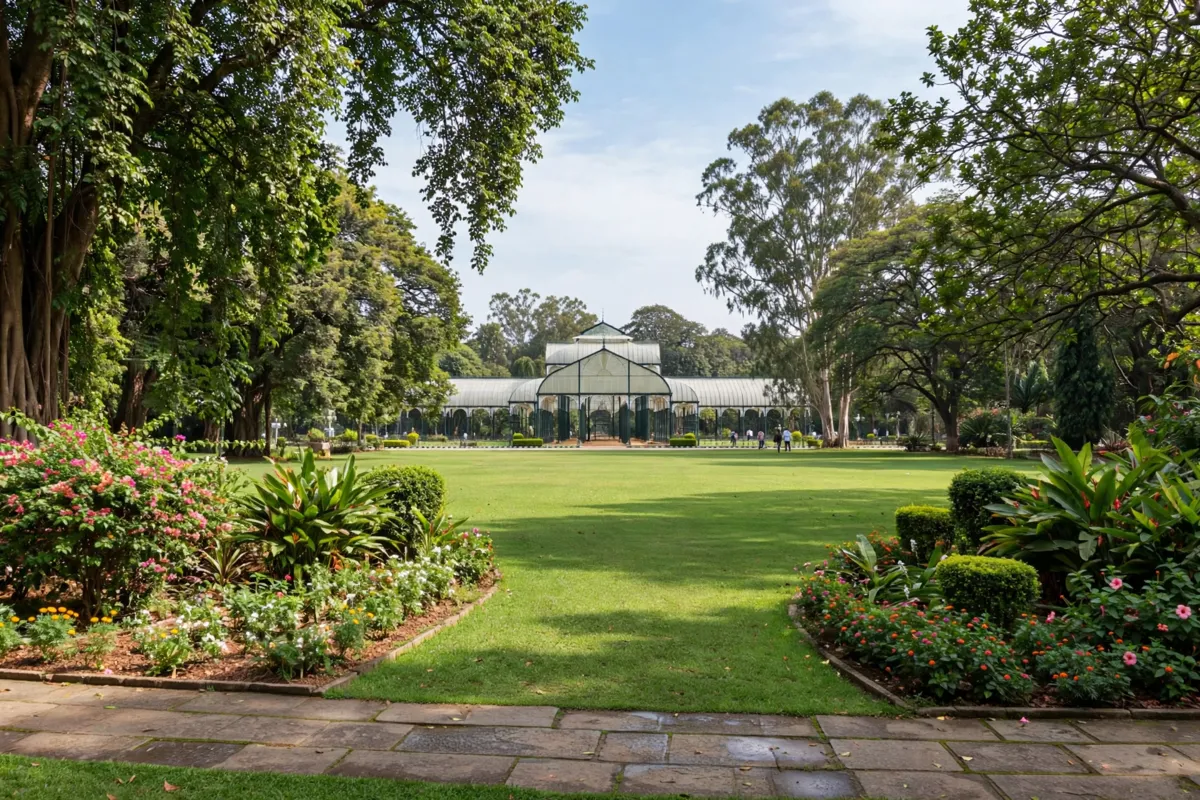
Lalbagh Botanical Gardens suits a longer visit: exploring the garden takes at least 3 to 4 hours. Its 240 acres contain tropical and subtropical plants, trees several centuries old, and the Glass House.
Built in 1889 by Albert Victor, the Prince of Wales, the Glass House was fashioned after England’s Crystal Palace. The garden’s flower shows are held around Republic Day and Independence Day, giving the Glass House a recurring role in Bengaluru’s calendar.
For a deeper look at the garden, including its main features, use this guide to visiting Lalbagh Botanical Gardens.
How do you get to these green spaces?
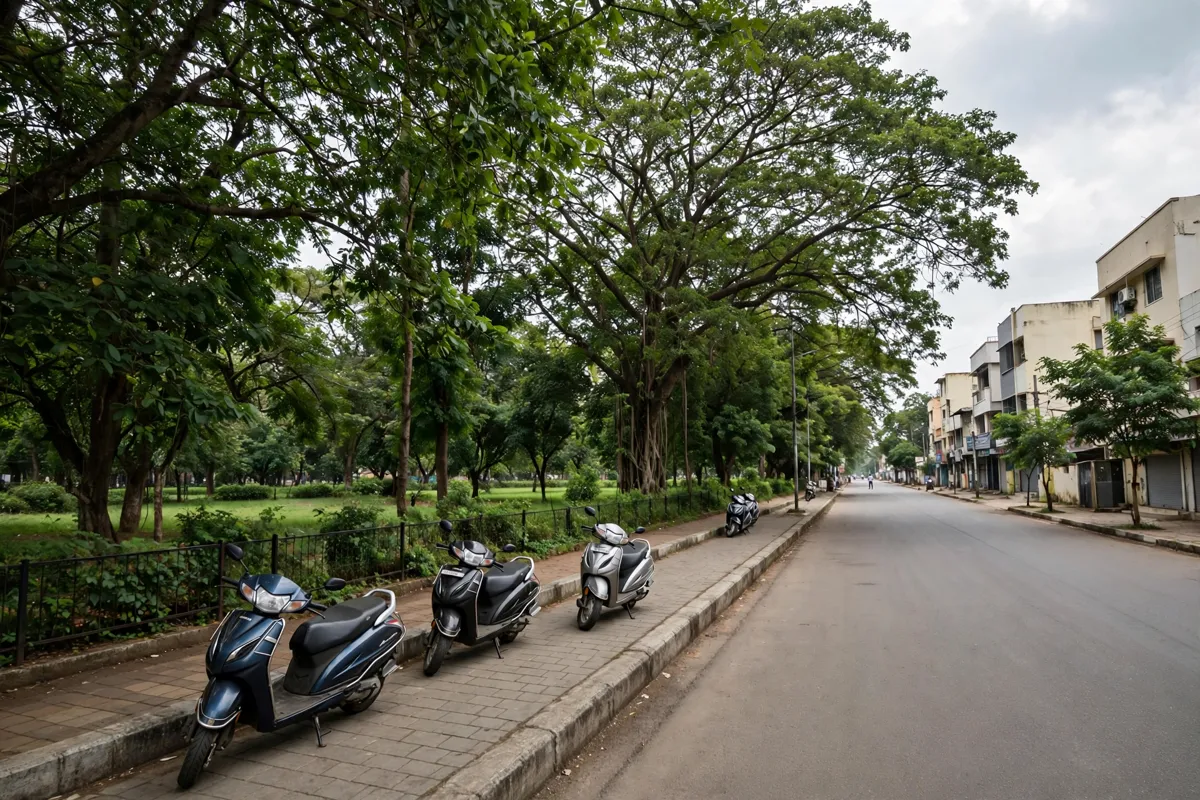
Compare Bugle Rock Park and Lalbagh when deciding which garden to visit and how much time to set aside.
Namma Metro is Bengaluru’s intra-city rail network, and BMTC operates city bus services, including air-conditioned Volvo buses.
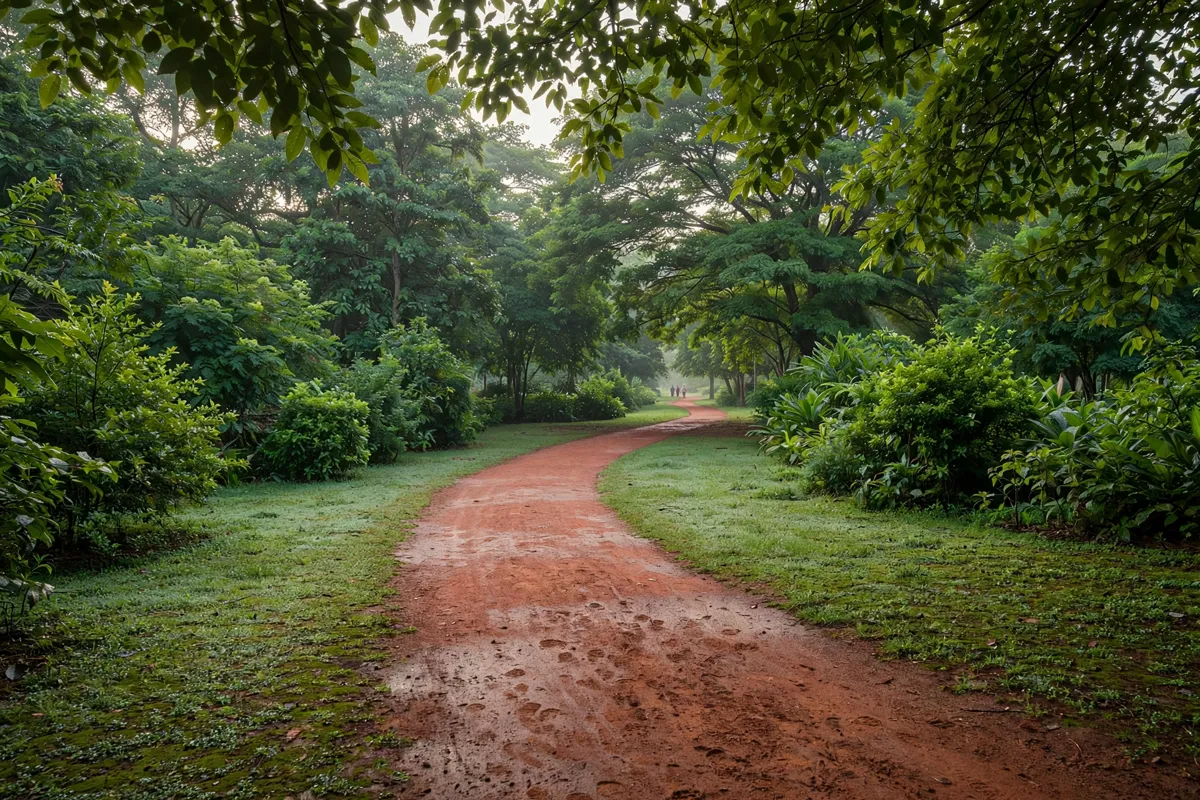
Timing, Weather and Visitor Rules
Lalbagh is open from 6:00 AM to 7:00 PM, and a full visit takes at least 3 to 4 hours. Because opening information can change, check the official site before you go.
If you’re planning around the Glass House flower shows, they take place around Republic Day and Independence Day. For a visit focused on walking through the garden, give yourself the stated several hours rather than trying to fit the whole garden into a brief stop.
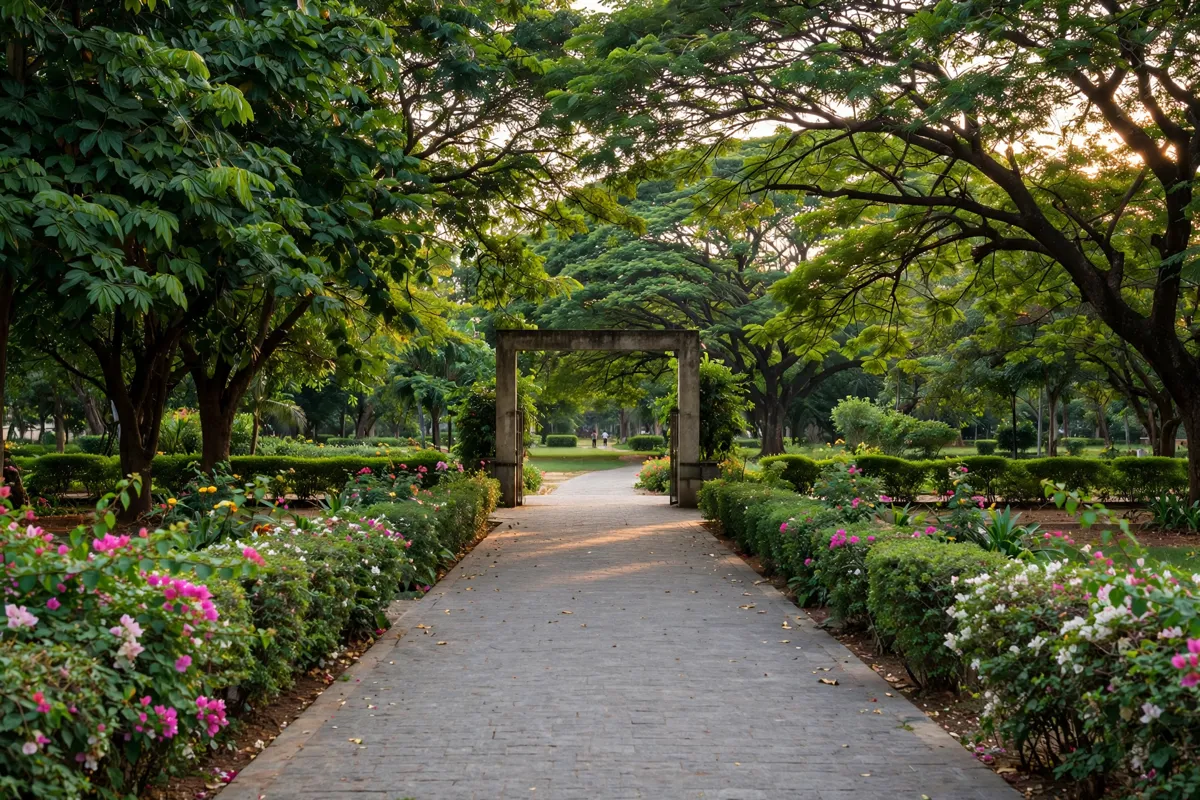
Planning a Bengaluru Park Day
Plan the day around one main garden: Bugle Rock for its rocky landscape and watchtower, or Lalbagh for a longer look at its extensive plant collections. Bugle Rock Park is about a 15-minute drive or a 37-minute walk from Hotel Gangothri.
If you choose Lalbagh, set aside at least 3 to 4 hours for the garden itself. If you choose Bugle Rock, the smaller 16-acre setting offers a more compact outing. You can read the linked guides for further detail before deciding which one fits your plans.
FAQs
Which park is larger, Bugle Rock or Lalbagh?
Lalbagh Botanical Gardens covers 240 acres, while Bugle Rock Garden covers 16 acres.
How long should you spend at Lalbagh?
Allow at least 3 to 4 hours to explore the garden.
What is the Glass House at Lalbagh?
It is a garden structure built in 1889 and fashioned after England’s Crystal Palace.